

In Thailand, over 5 million Indigenous Peoples from 46 ethnic groups live across 67 provinces. Their deep connection with the land, water, forests, and cultural wisdom is a vital part of the country’s heritage. Yet, these communities—especially their children and youth—continue to face exclusion from development processes, limited access to basic rights, and threats to their traditional ways of life.
The Ton-kla Indigenous Children and Youth Network (TKN), under the guidance of the Council of Indigenous Peoples in Thailand (CIPT), works to empower Indigenous youth. It gives them a platform to learn, share, lead, and raise their voices for justice and environmental protection.
One of the key activities supported by this effort is the Youth Leadership Camp on Climate Change for the Rights and Voices of Indigenous Peoples—a powerful gathering that brought young Indigenous leaders together to learn, reflect, and take action.
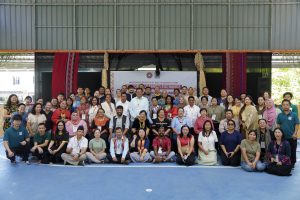
From May 31 to June 3, 2025, Indigenous youth from five regions gathered in Chiang Rai for the Youth Leadership Camp, held at the Meechai C&C Center, Pa Ngio Subdistrict, Wiang Pa Pao District. This four-day event created a space for learning, self-reflection, and advocacy, focusing on three core pillars:
- Leadership and communication for change
- Climate knowledge, science, and Indigenous wisdom
- Understanding Indigenous rights at the national and international levels
At the heart of the camp was helping young people explore their identities and their relationship with the environment through hands-on, transformative sessions:
🔹 “Who Am I?” and “My World and Your World”
Children and youth reflected on their identity and roots, connecting their personal experiences with the impacts of climate change. This session opened a space for them to grow as future leaders for change.
🔹 “The World of Huai Hin Lad Nai Community”
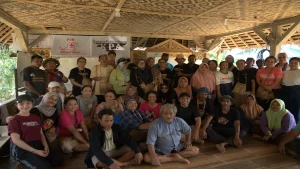
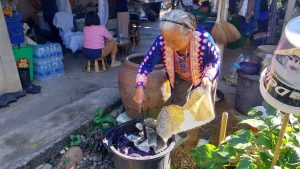
Participants visited the Huai Hin Lad Nai community to learn from their natural resource management practices, based on local wisdom. They saw firsthand the struggles, turning points, and community-led efforts to protect forests and waterways. It was a real-world experience in becoming “communicators for change.”
🔹 “Campaign Study”
Youth practiced critical thinking by analyzing issues in their communities and designing communication strategies to advocate for climate justice and Indigenous rights.
🔹 “Pitch for Change”
A highlight of the camp, this session allowed youth to present their communication plans and share stories they wanted to take back to their communities. They also discussed how to sustain their advocacy and amplify Indigenous youth voices in society.

Through the TKN network, Indigenous youth are gaining essential knowledge about national and international laws that impact their rights and livelihoods. They’re learning how to defend their communities, protect their ancestral lands and waters, and lead with the wisdom handed down by their elders.
“When children and young people talk about environmental management, they’re not just learning—it’s about preserving their way of life,” said Supansa Janthai, Coordinator of the TKN Network.
📲 Follow the ongoing stories of Indigenous Youth in Thailand through TKN’s Facebook page.
📸 Photo and video by TKN
 English
  Indonesian
  Khmer
Khmer